Rodent & Wildlife Removal in Old Westbury
Get matched with a local provider
Rodents and wildlife do more than make noise. They chew wiring, soil insulation and open new gaps in your home. A mouse in the basement and a raccoon in the attic are different jobs, and each needs its own method.
Instrumentsalbert Pest Control is a referral service. It does not send crews or do the removal. It routes your request to an independent provider in its network, and the provider does the work. Before that handoff, you gather photos, dated notes and past records. That paperwork makes the estimate clearer and gives you a solid file if an insurance conversation comes up later.
Noises in the Attic or Walls? Start Here
Scratching, thumping or squeaking above or behind a wall usually means an animal has moved in. If you searched "exterminator near me," this page covers the animal side: rodents and wildlife removal.
Step back and leave the space closed. Write down what you hear and when. Then get a provider moving. Instrumentsalbert Pest Control is a referral service. It connects you with an independent provider in its network. Providers do the work.
Why Rodents and Wildlife Need Fast Action
Rodents gnaw wiring, and damaged wiring is a fire risk. Mice and rats also multiply quickly, so a small problem can become a large one in weeks.
Larger animals add a timing issue. A raccoon or squirrel in spring may have young inside. Removing only the adult can leave babies behind. A provider knows how to handle that.
Cold, snowy winters push animals toward warm attics and basements. Spring snowmelt sends them looking for dry shelter. Both seasons raise demand, so start early.
Signs to Watch For
- Scratching or running sounds, often at dusk or overnight
- Droppings along walls, in cabinets or across attic insulation
- Gnawed wood, wiring or food packaging
- Greasy rub marks along baseboards and beams
- Stains, odors or damp spots on ceilings
- Torn vent screens, chewed soffits or shifted shingles
- A pet fixated on one wall or corner
Document First, Then Dispatch
Records make estimates accurate. Spend ten minutes on paperwork before the provider arrives. It saves time on site and keeps quotes easy to compare.
What to Photograph
- Droppings, with a coin beside them for scale
- Gnaw marks and chewed wires
- Any hole, gap or damaged vent outside
- Stained ceilings or flattened insulation
- The full room, so the location is clear
What to Write Down
Keep a short log. Note the date, time, sound and room. Add when you first noticed the problem and any earlier repairs or pest visits. Save receipts. A simple log helps a provider spot patterns. It also gives you a clean timeline if you later talk with your insurer.
Common Animals Providers Handle
Providers in the network commonly deal with:
- House mice and Norway or roof rats
- Squirrels and chipmunks
- Raccoons, opossums and skunks
- Bats, plus birds nesting in vents or eaves
Each animal needs different tools. A line of mouse traps will not move a raccoon.
Where Animals Get In, by Home Type
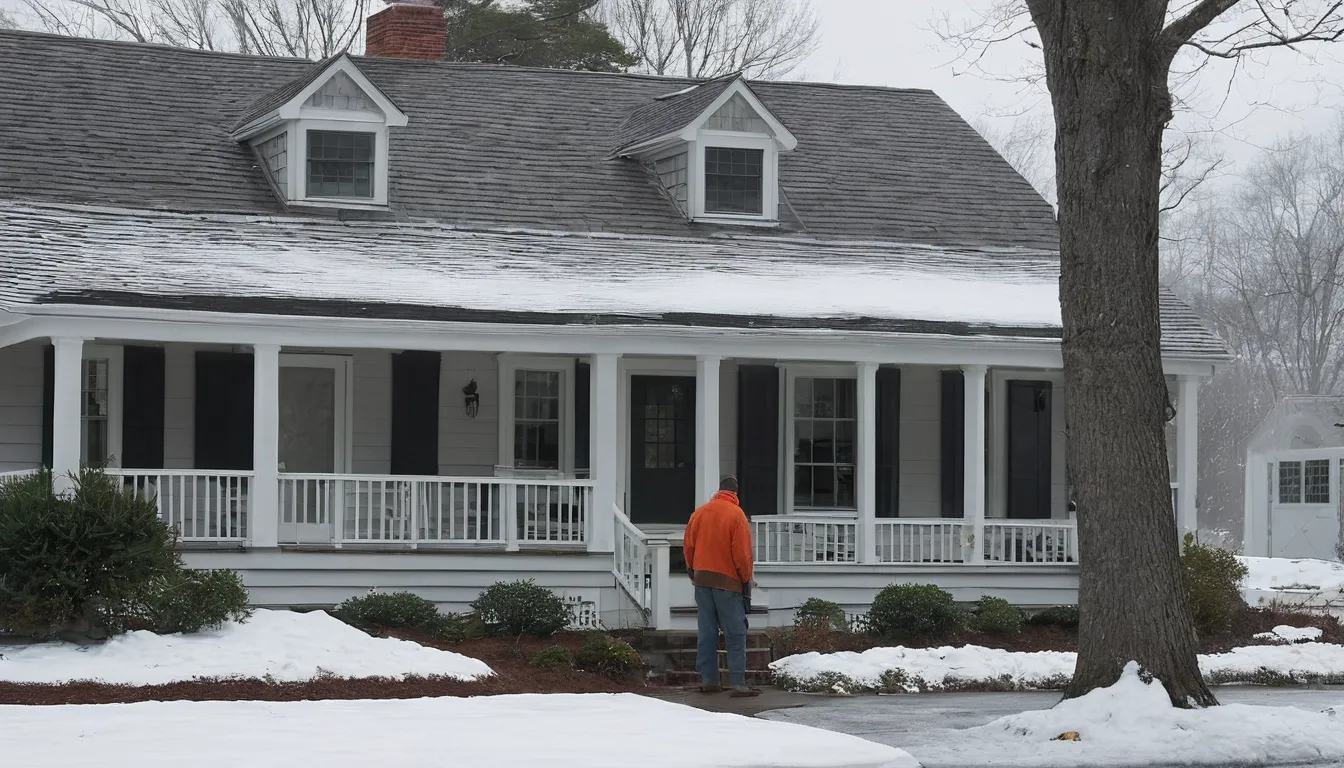
Older housing stock offers plenty of gaps. Stone and block foundations develop cracks and mortar voids. Full basements have utility openings and rim joist gaps. Cape Cod homes have knee-wall spaces and tight eaves that work as runways. In multi-family buildings, animals travel through shared walls, so a neighboring unit can matter. Mention these details when you request an estimate.
How Removal Works
Inspection
The provider checks the attic, basement, exterior and roofline. The goal is to confirm the species and find every entry point.
Removal
Depending on the animal, this means traps, one-way doors or hand removal. The method should match the species and the season.
Exclusion
Exclusion means sealing holes with steel, mesh or flashing so animals cannot return. Removal without sealing is a temporary fix.
Cleanup and Follow-Up
Droppings and soiled insulation may need removal and sanitizing. Many providers schedule a recheck visit. Ask what is included.
Humane Handling and Local Rules
Rules vary by state and town. Some species are protected. Bats often come with seasonal limits on exclusion work. Relocating an animal may be restricted. Ask the provider how live animals are handled and what local rules apply.
Skip DIY poison. An animal that dies inside a wall creates odor and can draw a second wave of pests.
Damage, Cleanup and Insurance
Chewed wiring, wet insulation and ceiling stains are common. Some policies may cover sudden damage; check your policy. Problems that build slowly are often excluded. Providers can often help document damage for a claim. Your photos and log make that conversation easier.
Choosing a Removal Provider
Ask before you book:
- Does the provider hold the licenses your state requires?
- Is the quote in writing, with the scope listed?
- Does the price include sealing entry points?
- How are live animals handled?
- Is there a follow-up visit if signs return?
Compare written quotes line by line, not just by total.
Keeping Animals Out
- Seal gaps larger than a quarter inch
- Trim branches back from the roof
- Store food and pet feed in sealed containers
- Keep trash and compost lids secure
- Repair damaged vents, screens and soffits
- Stack firewood away from the house
Walk the exterior each fall, before the cold arrives.
Ready for the Next Step
Gather your photos and notes, then request an estimate. Or Request a callback to check provider availability. Instrumentsalbert Pest Control makes the connection. The provider does the work and sets the price.
Bed bug treatment and general residential pest control have their own pages.
What's Included
Species Identification
The provider confirms whether you have mice, rats, squirrels, raccoons or bats before choosing a removal method.
Entry Inspection
Attic, basement and roofline checks to find the gaps animals use to get inside.
Removal Methods
Traps, one-way doors or hand removal, matched to the animal and season.
Sealing and Cleanup
Entry points closed and droppings or soiled insulation addressed, where the job calls for it.
Typical Rodent and Wildlife Removal Costs
These are typical U.S. ranges. Real prices vary by animal, home access and how much damage there is. Ask each provider for a written quote that lists exactly what is included.
| Item | Typical range | Notes |
|---|---|---|
| Inspection | $75 – $300 | Sometimes applied to the job |
| Mouse trapping program | $200 – $600 | Often includes repeat visits |
| Rat removal | $300 – $900 | Depends on colony size |
| Squirrel or raccoon removal | $250 – $800 | Higher if young are present |
| Sealing entry points | $300 – $2,500 | Varies with home size and access |
| Bat exclusion | $500 – $3,000 | Seasonal rules may apply |
How It Works
Document the Problem
Take photos, note dates and sounds, and save any earlier repair or pest records before you reach out.
Send Your Request
Request an estimate or Request a callback to check provider availability in your area.
Get Matched Locally
Instrumentsalbert Pest Control routes your request to an independent provider in its network.
Review the Written Quote
Check scope, sealing work and follow-up before you approve the provider's plan.
Why Call Instrumentsalbert Pest Control
Records Make Estimates
Photos and dated notes help providers quote the real scope of work.
Honest Referral
Instrumentsalbert Pest Control does not do removal. It routes your request to an independent provider.
Provider Does Work
The independent provider inspects, removes and seals. Pricing is set between you and them.
Clear Paperwork
An organized file helps if you later discuss damage with your insurance company.
Other Services
Need rodent & wildlife removal in Old Westbury?
Send a request through the form, or request a callback to check provider availability. Include photos and notes if you have them. A provider in our network follows up with you.
No obligationRodent & Wildlife Removal FAQ
How do I know if it's mice, rats or a larger animal?
Sound and size are clues. Light, fast scurrying often means mice. Heavier thumping suggests squirrels or raccoons. Droppings, gnaw marks and entry holes help too. Photograph them, and the provider will confirm the species on inspection.
Does homeowners insurance cover rodent or wildlife damage?
It depends on the policy. Some policies may cover sudden damage, while slow infestations are often excluded. Check your policy and ask your insurer. Providers can often help document damage, and your photos and notes make that easier.
How much does wildlife removal cost?
Typical U.S. prices run from a few hundred dollars for simple jobs to several thousand for sealing, cleanup or bat work. Costs vary by animal and access. Get a written quote listing exactly what is included.
Reach a local provider
Send a request through the form, or request a callback to check provider availability. Include photos and notes if you have them. A provider in our network follows up with you.
No obligation